The moment you start searching how to file for divorce, you are usually not just looking for paperwork. You are trying to get your footing while your home life, finances, parenting routine, and future all feel uncertain at once. That is why the process needs to be explained clearly, without sugarcoating what is simple and what can become complicated fast.
In New York, divorce is a legal process with specific rules about residency, filing, service, financial disclosure, and, when children are involved, custody and support. Some divorces move forward with cooperation. Others turn contested quickly, especially when one spouse feels blindsided, there are concerns about money, or parenting disagreements have been building for years.
How to file for divorce in New York
At the most basic level, filing for divorce in New York means preparing the correct court papers, choosing the legal grounds for divorce, filing them in the proper county, and making sure your spouse is formally served. That sounds straightforward. In practice, the details matter, and mistakes can cause delays, extra expense, or strategic problems later in the case.
Before you file, you need to confirm that New York has jurisdiction over the divorce. That usually means meeting the state residency requirements. New York allows divorce filings in several situations, such as when both spouses live in the state and the grounds happened here, when the marriage took place here and one spouse has lived here continuously for at least a year, or when one spouse has lived here continuously for at least two years before filing. If you are unsure whether you qualify, that is not a minor technical issue. It affects whether the case can proceed at all.
You also need to decide what legal grounds you are using. In many cases, people file on the basis that the relationship has broken down irretrievably for at least six months. This is what most people think of as a no-fault divorce. New York still recognizes fault-based grounds in some situations, such as cruel and inhuman treatment, abandonment, imprisonment, and adultery. Fault grounds can matter strategically in some cases, but they can also increase conflict and cost. The right choice depends on the facts, the evidence, and what you are trying to accomplish.
The first documents you usually need
Most divorce cases begin with a Summons With Notice or a Summons and Verified Complaint. The form you use depends on how much detail you are including at the outset. You will also typically need a Notice of Automatic Orders, which puts restrictions in place right away. These orders generally prevent either spouse from selling major assets, taking on unreasonable debt, changing insurance coverage, or removing the other spouse or children from certain protections while the case is pending.
If there are children under 18, additional forms are required, including forms related to custody, child support, and parenting information. If either spouse is seeking temporary relief, such as temporary child support, spousal support, custody, or exclusive use of the home, that usually calls for additional motion papers.
This is one reason people get overwhelmed. Filing is not just one form. It is the start of a case that may touch every part of your daily life.
After the papers are prepared, they are filed with the Supreme Court in the county where either spouse resides. In New York, divorce cases are handled in Supreme Court, not Family Court. Family Court may still become part of the picture for support, custody, or protection issues, but the divorce itself belongs in Supreme Court.
Serving your spouse the right way
Once the case is filed, your spouse must be served according to New York law. You cannot serve the papers yourself. Service usually has to be completed by someone over 18 who is not a party to the case, and there are timing rules that must be followed.
If your spouse is cooperative, this step may be uneventful. If your spouse is avoiding service, lives in another state, or cannot be located, service can become its own legal issue. In some cases, the court may allow an alternative method of service, but that usually requires a separate application and judicial approval.
Service is not just a procedural box to check. If it is done improperly, your spouse can challenge the case, and the court may reject what was filed.
For general attorney listings and additional New York divorce resources, you can also review https://divorce.usattorneys.com/new-york.
What happens after filing
After service, your spouse has a limited amount of time to respond. If your spouse agrees with the divorce and the major terms can be resolved, the case may proceed as uncontested. If your spouse disputes the divorce itself or disagrees on money, parenting, property, or support, the case becomes contested.
That difference matters. An uncontested divorce is usually faster, less expensive, and less emotionally draining. But uncontested does not always mean simple. Even when both spouses want the marriage to end, they may still need to negotiate serious issues, including who keeps the apartment, how retirement accounts are divided, how parenting time will work, and whether spousal maintenance should be paid.
A contested divorce can involve formal discovery, document demands, depositions, court conferences, expert evaluations, and trial. If there are allegations of hidden income, domestic violence, substance abuse, or interference with parenting time, the stakes rise quickly.
The issues that can shape your case
People often focus on filing because it feels like the first major step. But the outcome of a divorce is usually shaped by four core areas: property division, support, parenting, and immediate protection.
New York follows equitable distribution, which does not automatically mean a 50-50 split. Marital property is divided fairly, but fair and equal are not always the same thing. The court may consider the length of the marriage, each spouse’s contributions, future financial circumstances, and other case-specific factors. That becomes especially important when one spouse earned much more, one paused a career to raise children, or there are business interests, real estate holdings, or retirement assets.
Support can include child support and spousal maintenance. Child support is guided by statutory formulas, but those formulas are not the whole story. Health insurance, child care, extracurricular costs, and add-on expenses can become major points of dispute. Spousal maintenance also depends on income and other circumstances, and what is appropriate in a short marriage may look very different in a long one.
If you have children, custody and parenting time may become the most sensitive part of the case. Legal custody involves decision-making authority. Physical custody addresses where the child lives and how time is shared. Courts focus on the best interests of the child, not what feels fair to either parent. That means your conduct, communication, and judgment during the case can matter as much as your legal arguments.
In some divorces, safety has to come first. If there has been domestic violence, threats, harassment, stalking, or coercive control, filing for divorce may need to happen alongside requests for orders of protection or emergency parenting relief. In those situations, speed and planning matter.
Common mistakes when people try to handle it alone
There is nothing unusual about wanting to save money or keep things calm. But people often make avoidable mistakes when they try to file without legal guidance.
One common problem is assuming that agreement today means agreement later. A spouse may verbally agree to move out, share custody, or divide accounts informally, then reverse course once the case is underway. Another problem is incomplete financial disclosure. Even innocent omissions can create delays or credibility issues. And many people underestimate how much early decisions matter, especially around temporary parenting schedules and support.
There is also the emotional side. Divorce changes how people communicate. A spouse who seemed reasonable during the marriage may become defensive, secretive, or aggressive once legal papers are involved. That does not mean every case has to become a fight. It does mean you should prepare for the possibility that it might.
When legal help becomes especially important
Some divorces are manageable with limited conflict. Others should not be treated as paperwork problems. If your spouse controls the finances, if there are children and major custody concerns, if abuse is part of the story, if substantial assets are involved, or if your spouse already has a lawyer, experienced representation can make a meaningful difference.
For many New York families, especially in Brooklyn where property, parenting schedules, and household costs can make divorce more layered, the legal process needs to be approached with both care and strategy. A lawyer is not just there to file forms. The right lawyer helps you protect your relationship with your children, avoid damaging missteps, and make decisions that still make sense six months or six years from now.
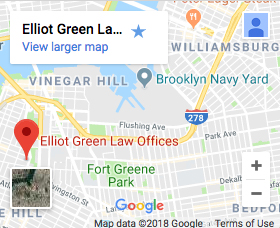
At Elliot Green Law Offices, that is how we approach divorce cases – with direct guidance, honest advice, and a clear understanding that family litigation is never just about documents.
If you are thinking about how to file for divorce, try not to treat the first step as the whole case. Filing starts the process, but what you protect, request, and document from the beginning often shapes everything that follows.