If you and your spouse agree that the marriage should end, the uncontested divorce process in New York can be a more efficient and less draining path than a court fight. That does not mean it is casual or risk-free. The paperwork still has to be correct, the agreement still has to be fair, and small mistakes can slow everything down or create problems later.
For many people, the word uncontested sounds simple. Sometimes it is. Sometimes it only looks simple until questions about property, support, retirement accounts, or parenting schedules start coming into focus. I tell people the same thing at the start – an uncontested divorce works best when both spouses truly agree on the major terms and are ready to put those terms in writing with care.
What makes a divorce uncontested in New York
A divorce is uncontested when both spouses agree on the grounds for divorce and on every issue that must be resolved before a judgment is entered. That usually means agreement on property division, debts, spousal maintenance if any, child custody, parenting time, and child support if children are involved.
In New York, many uncontested cases are based on an irretrievable breakdown of the marriage for at least six months. In plain terms, one spouse states that the relationship has broken down beyond repair for that period. Even with no-fault grounds, the court still expects all financial and parenting issues to be addressed before the divorce can be finalized.
This is where people can get tripped up. You may both agree that the marriage is over, but if one of you expects to keep the apartment, split retirement differently, or handle parenting on an informal basis, the case may not stay uncontested for long.
The uncontested divorce process in New York step by step
The uncontested divorce process in New York starts with preparation, not filing. Before anything goes to the court, both spouses should be clear about the deal. That includes who keeps which assets, who is responsible for which debts, whether maintenance will be paid, and how parenting will work if children are involved.
1. Gather the key information
You will need basic details about the marriage, the parties, and any children. You should also collect financial information that supports the agreement, such as bank account balances, mortgage information, tax returns, retirement account statements, and records of major debts. Even in an amicable case, informed consent matters.
2. Prepare the divorce paperwork
New York uncontested divorces require a set of forms that can vary depending on whether there are children under 21 and whether property or support issues are part of the case. The documents typically include the summons, complaint, affidavits, and other required filings. If there is a settlement agreement, it needs to be drafted carefully and signed properly.
This is one of the biggest pressure points in an uncontested case. A missing form, inconsistent date, or vague agreement can cause rejection by the court or confusion down the road.
3. File the case
The filing spouse starts the action by filing the required documents with the court and paying the filing fees. The case then needs to be properly served on the other spouse unless service is waived in a form accepted by the court.
Service rules matter. People sometimes assume that because their spouse is cooperative, formal requirements do not apply. They do.
4. The other spouse responds
In many uncontested matters, the non-filing spouse signs documents confirming receipt and consent. If both sides are fully aligned, there is usually no need for litigation, discovery, or contested court appearances.
5. Submit the final papers
Once the required documents are complete, the final package is submitted for judicial review. A judge reviews the papers to make sure the divorce is legally supported and that issues involving children meet legal standards.
6. Receive the judgment of divorce
If everything is in order, the judge signs the judgment of divorce. The divorce becomes final when the judgment is entered by the county clerk. That final entry date matters for legal and practical reasons, including remarriage, benefits, and certain financial deadlines.
How long does an uncontested divorce take?
That depends on the quality of the paperwork, the complexity of the agreement, and the court’s backlog. Some uncontested divorces move relatively quickly. Others take longer because a document was rejected, a parenting provision was unclear, or one spouse delayed signing.
People often ask for an exact timeline, but there is no honest one-size-fits-all answer. A straightforward case with no children and a clean settlement may move faster than a case involving a house, retirement assets, and child support calculations. Court processing times can also vary by county.
Issues that still need real attention
An uncontested divorce is not just a form exercise. It is a legal restructuring of your finances and family life. That is why even cooperative couples should slow down enough to think through the consequences.
Property and debt division
New York follows equitable distribution. That does not always mean a 50-50 split. It means a fair division based on the circumstances. In an uncontested case, you and your spouse can agree to many arrangements, but the agreement should be clear, specific, and realistic.
Vague promises cause trouble. If one spouse is supposed to refinance a mortgage, transfer a title, or assume a credit card balance, the agreement should say exactly how and when that will happen.
Spousal maintenance
Some uncontested divorces include no maintenance at all. Others include a limited payment arrangement. The right result depends on income, earning capacity, health, childcare responsibilities, and the standard of living during the marriage.
Waiving maintenance without understanding the financial picture can be a serious mistake, especially after a long marriage or when one spouse has been out of the workforce.
Children, custody, and support
If you have children, the court will look closely at custody and child support terms. Parents may be getting along well now, but a parenting schedule needs to work in real life, on school days, holidays, vacations, and sick days.
Child support is not something parents can casually ignore. New York has legal standards, and if you are agreeing to anything outside the standard calculation, the paperwork has to be handled correctly.
When uncontested may not be the right fit
Sometimes people want an uncontested divorce because they are exhausted and want peace. I understand that. But not every case is truly ready for that route.
If there is fear, manipulation, financial secrecy, or pressure to sign quickly, you should be careful. The same is true if one spouse controls all the money, if there has been domestic violence, or if someone is hiding assets or giving incomplete information. A calm tone does not always mean a fair deal.
There are also cases that begin uncontested and then change. That is normal. If a disagreement emerges over parenting, support, or property, the case may need a different strategy.
Common mistakes in the uncontested divorce process in New York
The most common mistake is assuming agreement means protection. It does not. People also run into trouble when they use generic paperwork without adapting it to their specific family, leave out retirement issues, fail to address taxes, or sign a settlement without understanding future consequences.
Another frequent problem is treating parenting terms too loosely. A phrase like reasonable visitation may sound cooperative, but if conflict appears later, it can be a source of constant argument.
Some people also focus only on speed. Speed matters, especially when stress is high, but a fast divorce that leaves open financial problems can cost much more later.
For additional statewide information, some readers also review https://divorce.usattorneys.com/new-york as a starting point, but your own facts and priorities should drive the legal approach.
Why legal guidance can still matter in an amicable case
A lawyer in an uncontested divorce is not there just to fight. Often, the real value is preventing avoidable damage. That can mean spotting a support issue, tightening a settlement term, making sure a parenting plan is workable, or catching a filing problem before it delays the case.
For Brooklyn families in particular, the practical details matter. Housing costs, shared parenting logistics, and financial strain can make even friendly agreements harder than they first appear. A well-prepared uncontested case should reduce stress, not postpone it.
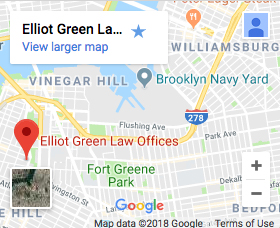
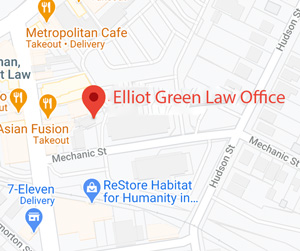
At Elliot Green Law Offices, that hands-on approach matters because people are not just signing papers. They are making decisions that will shape where they live, how often they see their children, and how stable the next chapter feels.
If your divorce is truly uncontested, that can be a strong starting point. Just make sure the agreement is complete, the paperwork is accurate, and the terms reflect real life rather than wishful thinking. A peaceful divorce is worth protecting too.